The Houthis Took the Bab al-Mandab Strait: What It Means for Oil, and What the US Is Likely to Do
THE WORLD · OCTOBER 6, 2026
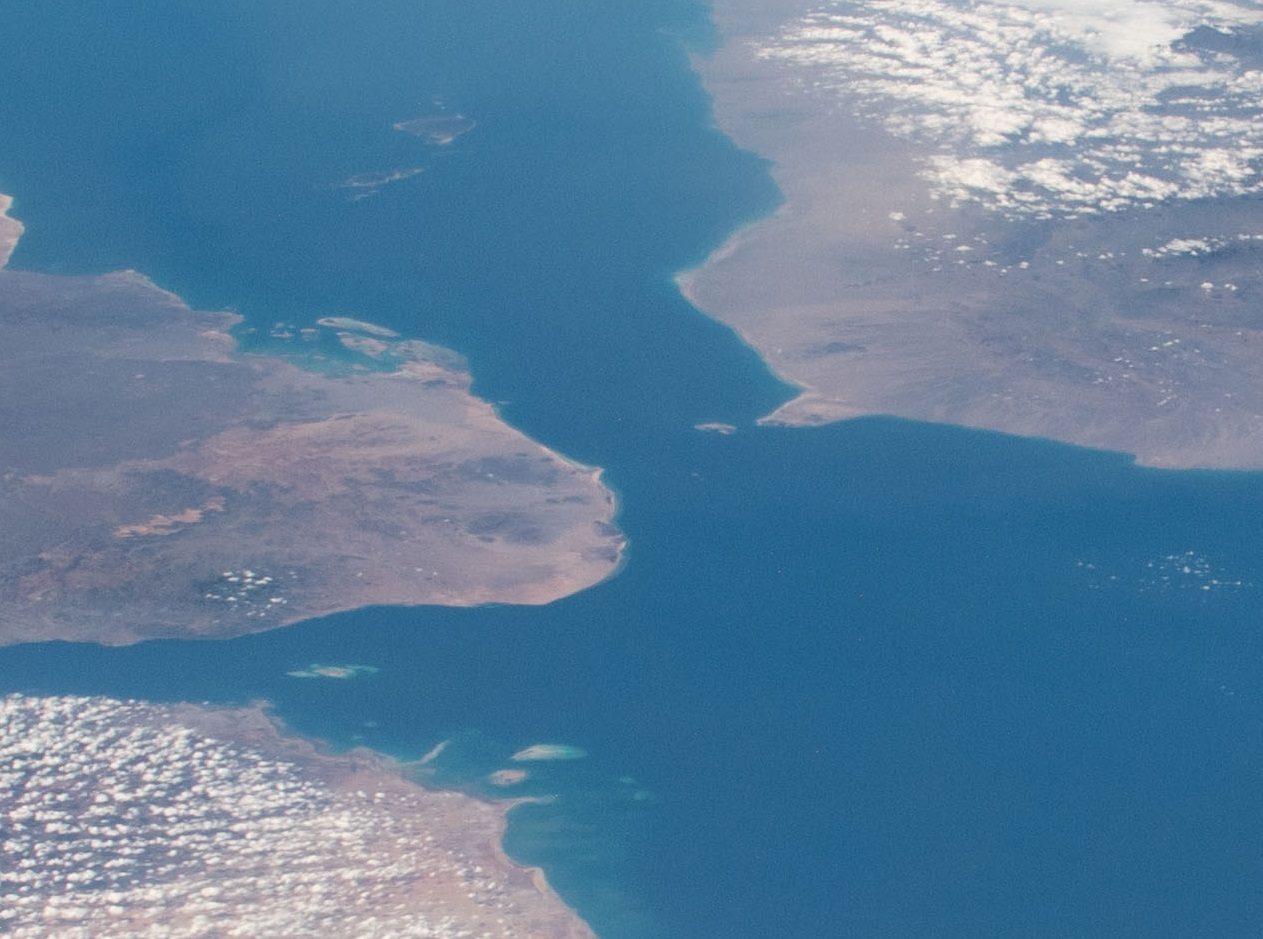
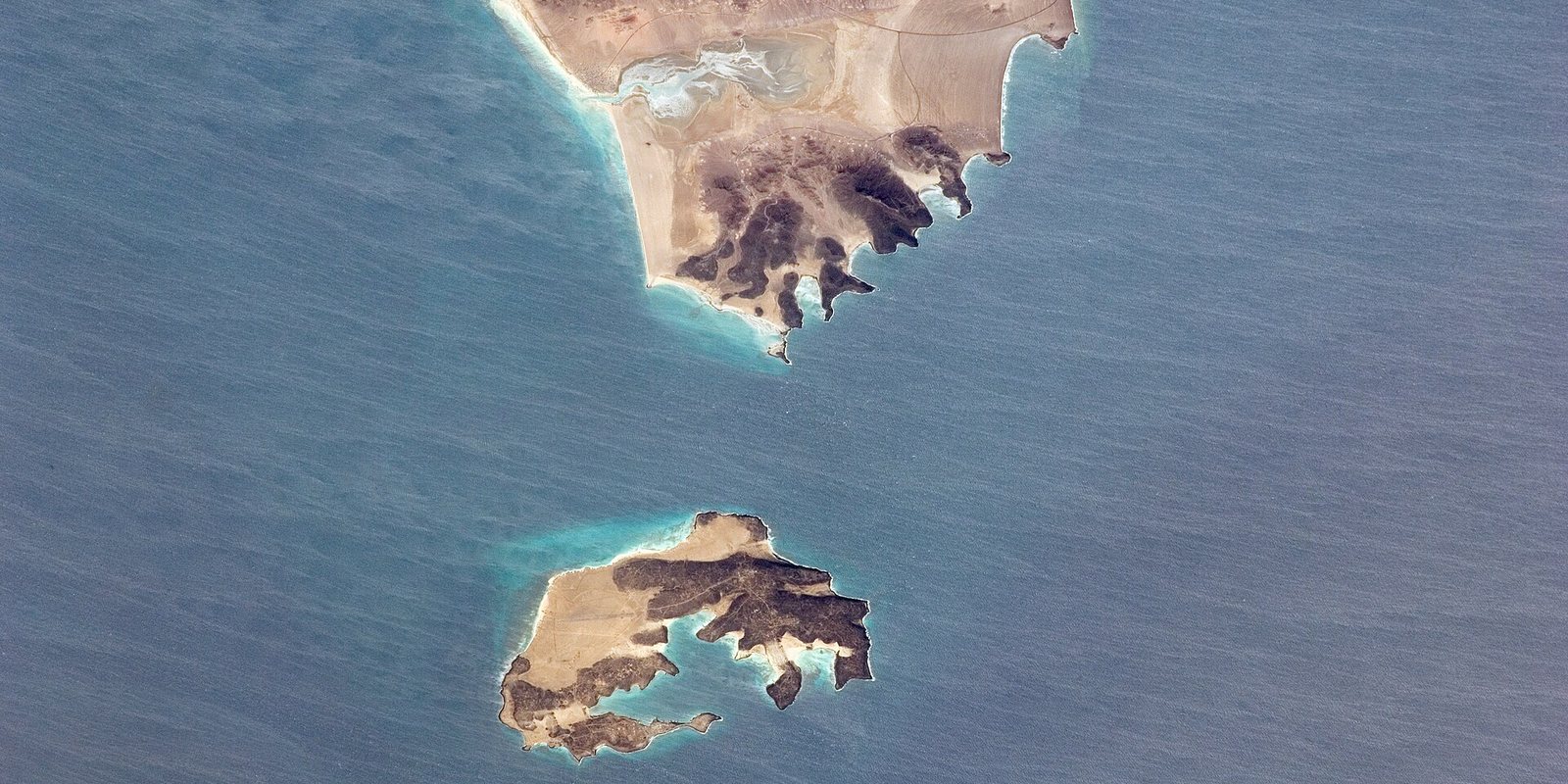
In the second week of September 2026, Yemen's Houthi movement (Ansar Allah) completed a takeover of the Yemeni side of the Bab al-Mandab strait, the roughly 30-kilometre-wide gate between the Red Sea and the Gulf of Aden. Reports say they took the port of Mokha, the islands in the strait including Mayyun (Perim) Island at its narrowest point, and finally the Greater and Lesser Hanish islands. A Saudi-led coalition has since moved to put air cover over the strait. Because Iran has already closed the Strait of Hormuz, this is the second major oil chokepoint in the region to fall under the control of a hostile force.
This entry sets out why that narrow gap matters, what oil actually flows through it, and what I think Washington will do. The first two parts are reporting. The last part is my read, and I label it as one.
What happened at the Bab al-Mandab
According to Al Jazeera, Houthi fighters reached Mokha at dawn on Thursday, September 10, and moved offshore to the islands the next day, after a week-long offensive. A local official in Yemen's Saudi-backed government told AFP the Houthis had "completed their takeover of the Bab al-Mandab area and Mayyun Island". The Times of Israel reports that the Greater and Lesser Hanish islands, the last two in the strait not under Houthi control, fell as well. The UN migration agency, as relayed by that report, counts more than 500 dead and roughly 46,000 displaced.
The story has not stopped moving. On October 5, The National reported that Yemeni government forces claim to have retaken the strait and Mokha, and that the Saudi-led coalition says 100 of its jets are giving "round-the-clock air support" and have destroyed 324 "high-value" Houthi targets. The coalition describes this as providing air cover for the strait. Those are claims from one side, and the Houthis have not confirmed them. Who actually holds the shoreline today is the thing I am least sure of.
Why the Bab al-Mandab matters for oil
The name is Arabic for "Gate of Tears," and geography is the whole story. Everything that goes from the Mediterranean to Asia through the Suez Canal, or from the Red Sea to the open ocean, has to squeeze through this gap, with Perim Island sitting in the middle of the narrowest part. Whoever can put missiles, drones and radar on that island can threaten every ship that passes.
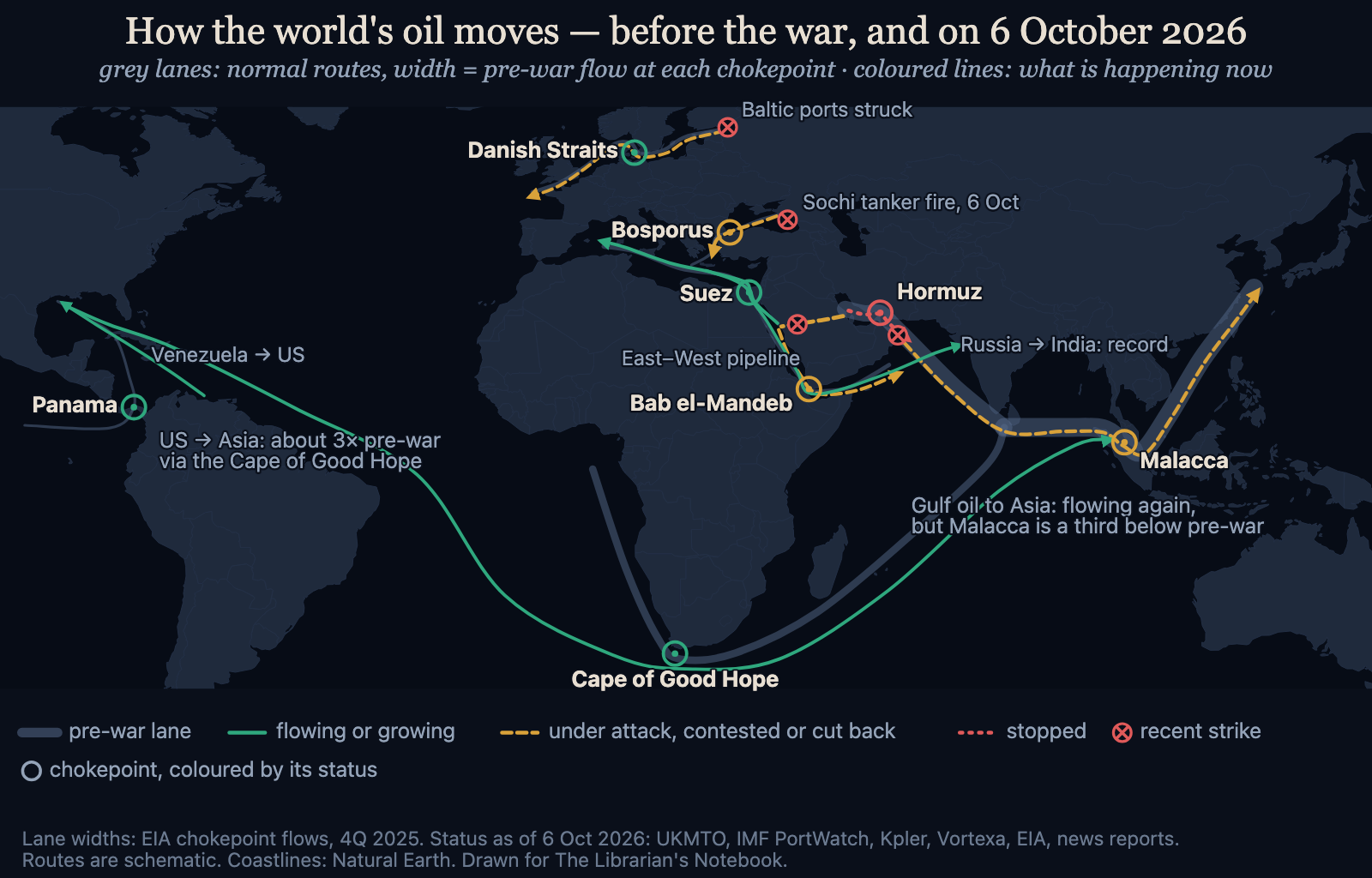
The Council on Foreign Relations puts the numbers this way: about 4.2 million barrels a day crossed the Bab al-Mandab in the first half of 2025, and about 4.9 million barrels a day moved through the Suez Canal and the SUMED pipeline. Together that is roughly 6% of the world's seaborne oil. It also notes the strait carried 9.3 million barrels a day in 2023, a figure that fell to 4.1 million in 2024 once the Houthis began attacking ships.
The number behind the worry. The Strait of Hormuz averaged about 21 million barrels a day before it closed, per the same CFR piece. So the Bab al-Mandab is roughly a fifth the size of Hormuz in a normal year. That makes it sound minor. It stops sounding minor once Hormuz is shut, because the Red Sea is then the only way out for a lot of Gulf oil.
That is the part that changes the math. With Hormuz closed, Saudi Arabia, the world's largest oil exporter, has been sending crude to its Red Sea coast and shipping it out from there. CFR says Saudi Arabia has rerouted "millions of barrels of oil each day" through the Bab al-Mandab since Iran closed Hormuz, and the Houthis declared a naval blockade on Saudi Arabia in July and have been hitting Saudi tankers since. A Houthi politburo member has said the group poses "no danger" to Red Sea shipping, but the people who say that have also been attacking Saudi tankers, which is a bit like a landlord promising the lease is safe while holding the keys.
What it has done to prices
Markets noticed. Brent crude rose at least 4% on September 10 to around $105 a barrel, and, per Al Jazeera, oil closed above $100 for the first time since mid-May while US diesel topped $6 a gallon. Diesel at $6 is the kind of number that makes its way into campaign ads, and there are midterm elections in November.
Two caveats on the price story. First, a number of things are moving oil at once, with Hormuz the biggest, so I would not credit the whole move to Yemen. Second, the actual flow of barrels is what matters over time, and I have not seen firm post-seizure tanker counts. If the Houthis stick to their word and leave non-Saudi ships alone, the damage could be a wartime insurance premium. If they do not, it could be a second closure.
What will the US do about it?
What is known: according to Axios, as relayed by the Times of Israel, Saudi Crown Prince Mohammed bin Salman called President Trump twice as the Houthis advanced and asked for US strikes. Trump declined. US officials said his directive is to keep American forces focused on Iran and Hormuz and avoid a new front, while giving the Saudis intelligence and targeting data. About 200 US personnel are already in Saudi Arabia. On September 12 Trump said, per Al Jazeera's account, that the Houthis "called us, and they don't want to fight us" and were "allowing ships to pass." CFR reports that US officials met Houthi representatives in September and that the Houthis pledged not to target American vessels.
My read, offered as a judgment and not a forecast: the US will mostly stay out of a direct fight in the Bab al-Mandab, and I would expect that to hold unless something changes the calculus. Four reasons.
- Hormuz comes first. The administration has said so itself. Two chokepoint wars at once is a lot to ask of a navy.
- The last round did not work. CFR notes the US spent a lot of ordnance against the Houthis in spring 2025 "with little to show for it," and that stocks of interceptors and cruise missiles are thin.
- A back channel exists. If the Houthis are leaving American ships alone, the White House has a reason to keep it that way.
- Saudi Arabia has its own air force. The coalition is already flying, and the US can help with intelligence without owning the war.
What would change my mind: a Houthi strike on a US-flagged or US-escorted ship, a successful attack that actually closes the strait to everyone rather than only to Saudi tankers, or a Hormuz settlement that frees up forces. Any of those would make strikes or escorted convoys much more likely. Diesel prices approaching an election pull in both directions, since they are an argument for acting and also an argument against a new war.
Where I could be wrong
Much of this comes from wire reports and a handful of think-tank pieces, and some details differ between them, including exact dates and which side holds which stretch of coast as of today. The Axios account of Trump's decision rests on unnamed officials. The Houthis' assurances and the coalition's target counts are each one side's word. And the 2025 volumes I quote are before the current crisis, so they show how large the route was, not how much is moving now.
Sources
- Al Jazeera. Houthis control key shipping route after gains along Yemen's Red Sea coast. September 11, 2026. https://www.aljazeera.com/news/2026/9/11/houthis-take-control-of-yemens-red-sea-coast-key-shipping-route
- France 24 / AFP. Yemen's Houthis take over strait vital to global shipping. September 11, 2026. https://www.france24.com/en/live-news/20260911-yemen-s-houthis-complete-takeover-of-bab-al-mandab-area-govt-official-to-afp
- The Times of Israel. Houthis seize key Red Sea islands, complete takeover of vital Bab el-Mandeb shipping lane. https://www.timesofisrael.com/houthis-seize-key-red-sea-island-complete-takeover-of-vital-bab-al-mandab-shipping-lane/
- The Times of Israel (citing Axios). Trump said to reject Saudi request for strikes on Houthis, as they complete Bab el-Mandeb takeover. https://www.timesofisrael.com/trump-said-to-reject-saudi-request-for-strikes-on-houthis-as-they-seize-red-sea-island/
- Council on Foreign Relations. Another Hormuz? What to Know About the Houthi Threat to the Red Sea. https://www.cfr.org/articles/another-hormuz-the-red-seas-threat-to-the-global-economy
- Council on Foreign Relations. Here's What the Houthi–Saudi Arabia Conflict Means for the United States. https://www.cfr.org/articles/the-houthis-seized-a-critical-strait-and-attacked-saudi-arabia-heres-what-it-means-for-the-u-s
- Al Jazeera (opinion). 'They called us': Has Trump abandoned Bab al-Mandeb to the Houthis? September 17, 2026. https://www.aljazeera.com/opinions/2026/9/17/they-called-us-has-trump-abandoned-bab-al-mandeb-to-the-houthis
- The National. Yemeni forces claim control of Bab Al Mandeb strait and Mokha in major offensive against Houthis. October 5, 2026. https://www.thenationalnews.com/news/gulf/2026/10/05/yemen-government-forces-claim-bab-al-mandeb-gains-as-saudi-coalition-says-100-jets-join-houthi-offensive/